訂閱免費電子雜誌
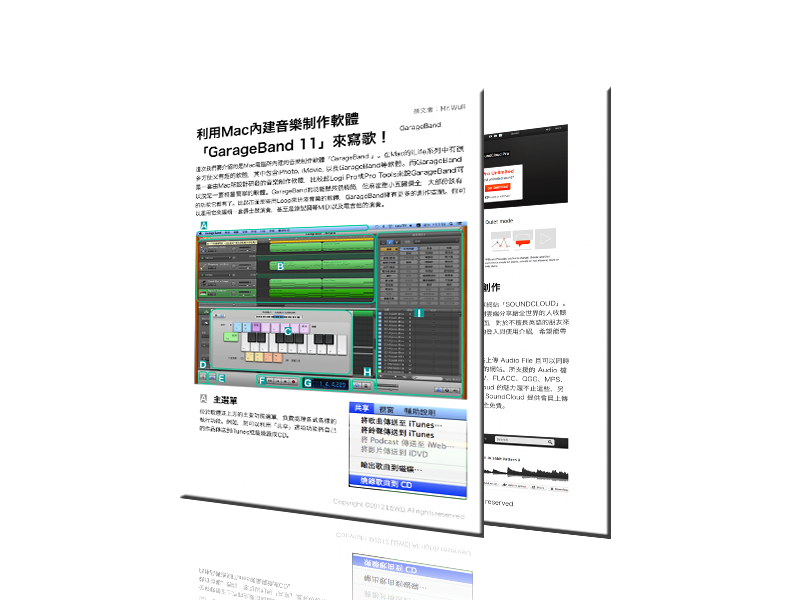
現在只需填寫下面的表格並點擊【開始訂閱】,你就可以免費獲得【Garageband 操作解析】、【SOUNDCLOUD 登錄功能解析】、【DTM 專門用語】.. 等免費電子書唷。
Trends here are heavily colored by familial duty. The Sandwich Generation —youth supporting both their parents and siblings—is a reality. However, unlike previous generations who saw this as a burden, current youth leverage digital tools to manage it. They use financial tech apps like Bank Jago to allocate micro-savings, and they engage in reseller culture. A university student in Yogyakarta isn't just buying a hoodie; they are signing up to become a dropshipper for that hoodie to pay for their little brother's tuition. Thus, consumer trends are always tethered to business opportunity .
As the world’s largest Muslim-majority country, modest fashion is a powerhouse industry driven by young designers and influencers. Hijabi youth mix traditional modesty with Western streetwear, Japanese high-fashion, and pastel "Korean-style" aesthetics, proving that religious identity and high fashion coexist seamlessly. Trends here are heavily colored by familial duty
Relying on a single 9-to-5 job is seen as risky. Indonesian youth actively pursue freelance gigs, content creation, affiliate marketing, or small e-commerce businesses to diversify their income. They use financial tech apps like Bank Jago
One of the most significant cultural shifts is the Berkain movement. Young Indonesians are actively de-stigmatizing traditional textiles like Batik and Tenun, which were previously reserved for formal or elder wear. They style these heritage fabrics with sneakers, crop tops, and leather jackets, transforming traditional identity into a daily fashion statement. The Rise of Conscious Consumerism and Social Activism and leather jackets
Traditional fabrics are no longer just for formal weddings or older generations. Young Indonesians are reclaiming Batik and Tenun , styling them into contemporary streetwear, asymmetrical jackets, and casual everyday outfits to showcase national pride. Culinary Trends: "Viral Foods" and Coffee Shop Culture
現在只需填寫下面的表格並點擊【開始訂閱】,你就可以免費獲得【Garageband 操作解析】、【SOUNDCLOUD 登錄功能解析】、【DTM 專門用語】.. 等免費電子書唷。